The Celtic
A Celtic Edge Exclusive
We’re always interested in starting a dialogue
Reach us here to start the conversation

More Than a Bridge: Why Access Is a Resilience Issue
Public debates about major infrastructure projects often focus on cost, traffic, environmental impacts, development, or politics. Emergency managers often view the same projects through a different lens. Roads, bridges, ferries, and transportation corridors are not simply transportation assets; they are part of a community’s resilience system. Access influences evacuation planning, emergency response, healthcare delivery, utility restoration, supply chains, continuity of operations, and disaster recovery. The long-running Mid-Currituck Bridge debate offers a useful case study in how coastal communities should evaluate infrastructure decisions when growth, risk, and uncertainty are all part of the equation.
Exercises Should Reveal Problems, Not Prove the Plan Works
Emergency management exercises are not supposed to prove that everything works perfectly. They are supposed to reveal gaps while there is still time to fix them. A good exercise helps organizations test assumptions, clarify decisions, improve coordination, and turn lessons into action.

Extreme Heat Is an Operational Risk
Extreme heat is more than a weather condition. It can affect employees, facilities, equipment, public services, outdoor operations, vulnerable populations, utilities, and continuity. Organizations should plan for heat before it disrupts normal operations.

Decision Thresholds: When Preparedness Turns Into Action
Decision thresholds help organizations move from watching a situation to taking action. By defining triggers before pressure builds, leaders can make better decisions about closures, staffing, communications, continuity, protective actions, and emergency operations.
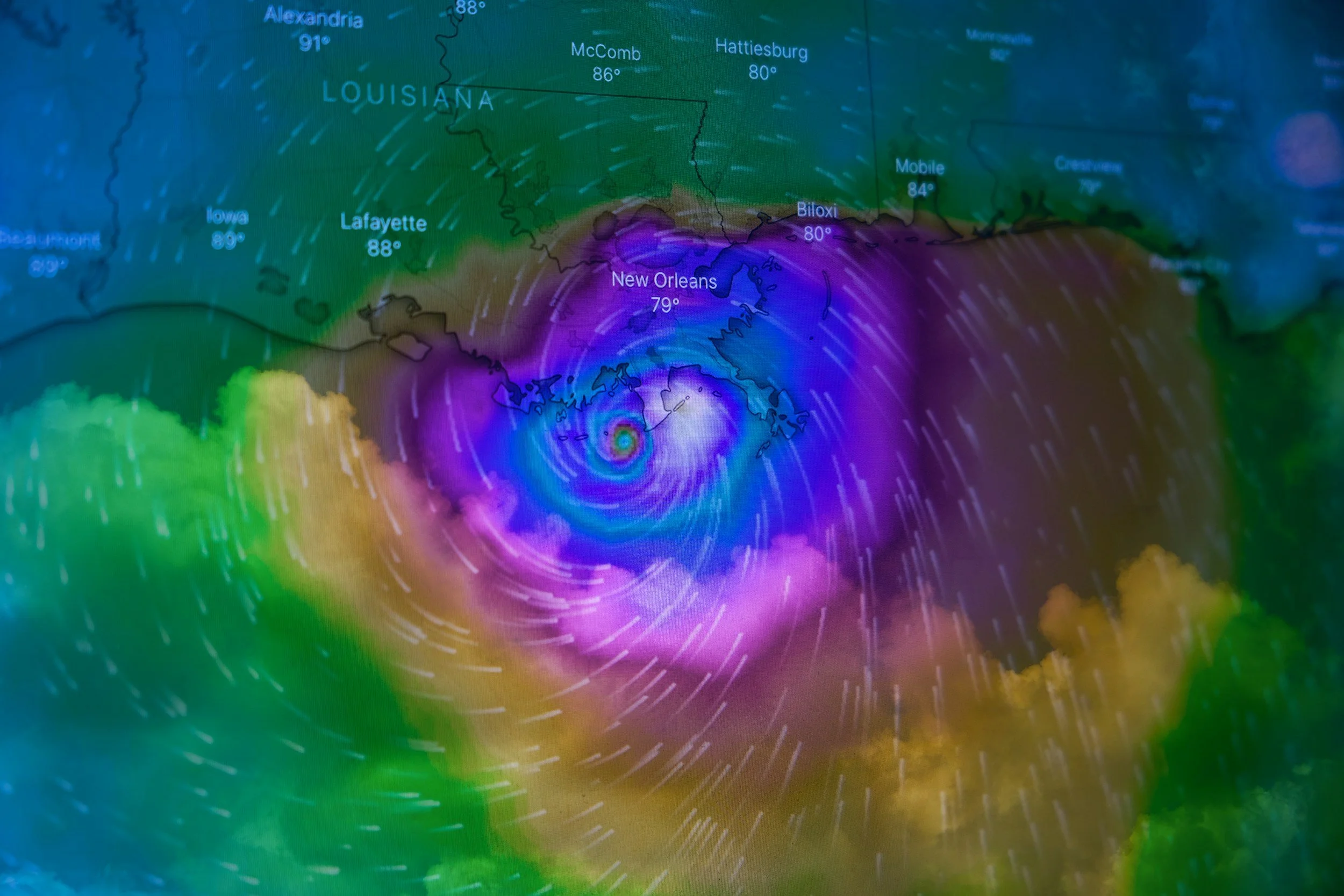
Hurricane Season: It’s a Planning Problem Before It Is a Weather Problem
Hurricane preparedness does not begin when a storm appears on the forecast map. Organizations should use the start of hurricane season to review decisions, communications, staffing, continuity, vendor support, and recovery expectations before pressure and uncertainty arrive.

Memorial Day and the Start of Summer Risk Season
Memorial Day is more than the unofficial start of summer. For organizations, it is a useful checkpoint to review heat risk, severe weather, staffing, public events, communications, travel impacts, and continuity planning before summer conditions begin stressing normal operations.

The Business Impact Analysis: Emergency Management’s Most Underrated Tool
A business impact analysis helps organizations understand what disruption actually means in operational terms. It connects essential functions, downtime, dependencies, consequences, and recovery priorities so leaders can make better decisions before an incident forces them to choose under pressure.

Mission-Essential Functions: What Has to Keep Working When Everything Else Slows Down
Mission-essential functions are the activities an organization must continue or restore quickly during disruption. Identifying them helps leaders separate what is important from what is truly critical when staffing, systems, facilities, vendors, or normal operations are affected.

Continuity Planning Is Not Just an IT Problem
Continuity planning is often treated like an IT issue, but technology is only one part of the problem. Real continuity planning asks what must keep working when people, facilities, systems, vendors, communications, or leadership are disrupted.

Planning Assumptions: The Most Dangerous Sentence in Emergency Management
Every emergency plan contains assumptions. The danger begins when those assumptions are treated as facts. Useful emergency management planning requires organizations to identify what they are assuming, test those assumptions against reality, and update plans before a disruption exposes the gap.

Emergency Operations Plans Should Be Written for People Who Are Busy, Tired, and Under Pressure
An emergency operations plan should not be written for perfect conditions. It should be written for people who are busy, tired, distracted, and under pressure. The best plans are clear enough to guide action when the situation is confusing and time is limited.

The First Hour: Why Emergency Plans Fail When They Are Needed Most
The first hour of an emergency exposes every weak point in a plan. Clear roles, decision thresholds, communication methods, and practiced leadership actions can reduce confusion when the situation is moving faster than the organization.